Tire Size Converter

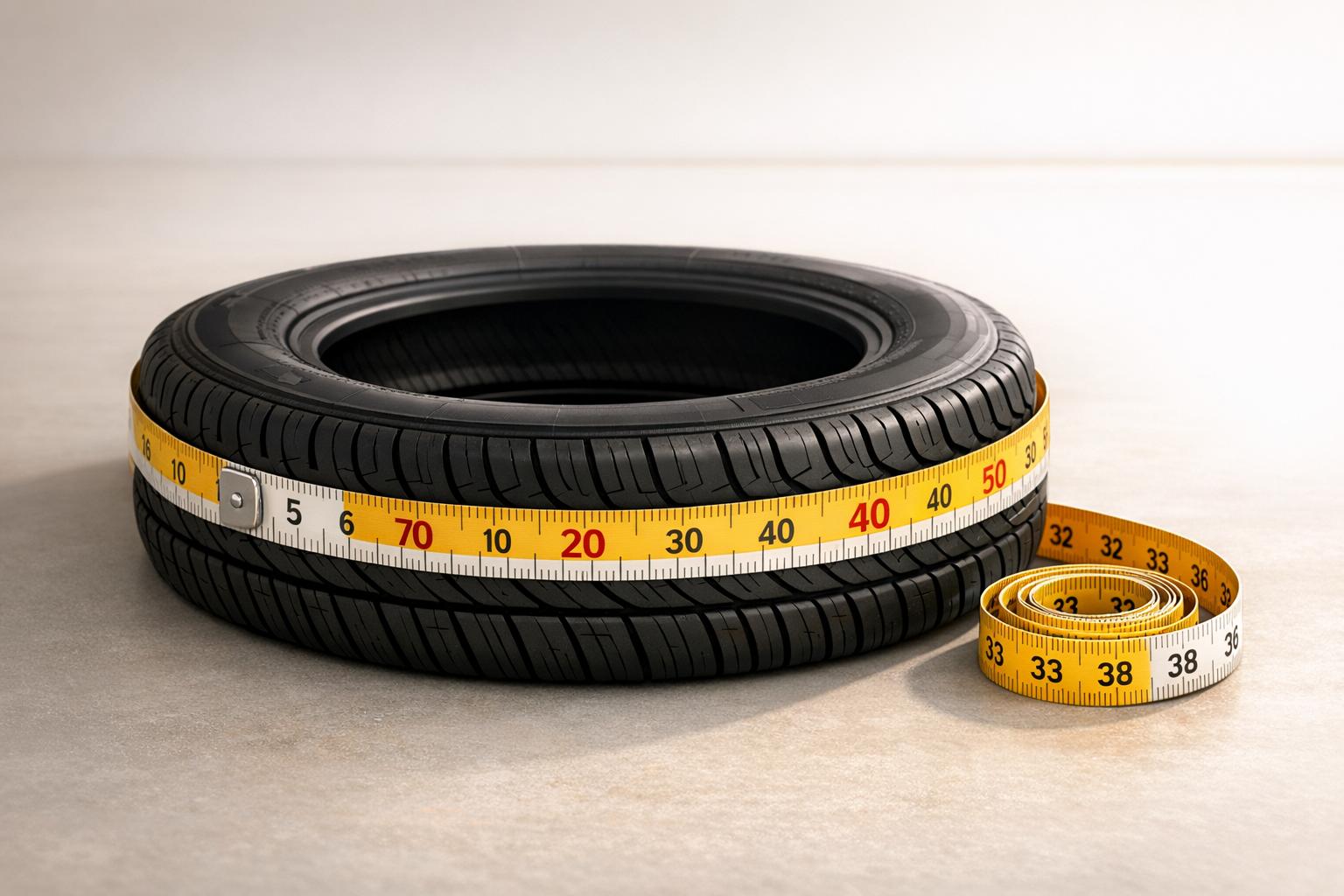
Tire Size Converter
Understanding Tire Sizes Made Easy with a Tire Size Converter
Shopping for new tires or comparing options can feel overwhelming, especially with all the different formats and numbers thrown at you. Whether you’re dealing with a metric designation like 205/55R16 or an older imperial format, understanding what those figures mean—and how they translate—is key to making the right choice. That’s where a reliable tire measurement tool comes in handy, simplifying the process so you can focus on the road ahead.
Why Tire Dimensions Matter
Tire specs aren’t just random digits; they tell you the width, sidewall height, and wheel diameter, all of which affect your vehicle’s handling and safety. A mismatch can throw off your speedometer or strain your suspension. Beyond conversion, knowing compatible replacements within a tight tolerance (like ±3%) helps avoid these issues. Tools that calculate and compare these measurements take the guesswork out of the equation, ensuring you pick a size that fits your car’s needs.
A Note of Caution
While online calculators are incredibly useful, they’re not a substitute for professional advice. Changing sizes might impact performance in ways you don’t expect, so consult a specialist before committing. With the right guidance, you’ll drive confidently knowing your tires are the perfect match.
FAQs
What do the numbers in a tire size like 205/55R16 mean?
Great question! In 205/55R16, the '205' is the tire’s width in millimeters. The '55' represents the aspect ratio, meaning the sidewall height is 55% of the width. 'R' stands for radial construction, and '16' is the wheel diameter in inches. Our tool breaks this down for you and converts it to other formats if needed, so you don’t have to do the math.
Why does tire size compatibility matter?
Tire size affects more than just fit—it impacts your speedometer accuracy, handling, and even fuel efficiency. If a replacement tire’s diameter is off by more than a small percentage (we use ±3% as a safe range), your speedometer might read wrong, and your vehicle could handle differently. Our converter suggests compatible sizes to keep things safe, but always double-check with a tire pro.
Can I change my tire size without issues?
Not always. Changing tire sizes can alter your vehicle’s performance, like acceleration, braking, and suspension wear. While our tool helps you find sizes close to your original specs, it’s just a starting point. We strongly recommend chatting with a mechanic or tire specialist before swapping sizes to ensure your car stays safe and performs as expected.