VIN Check

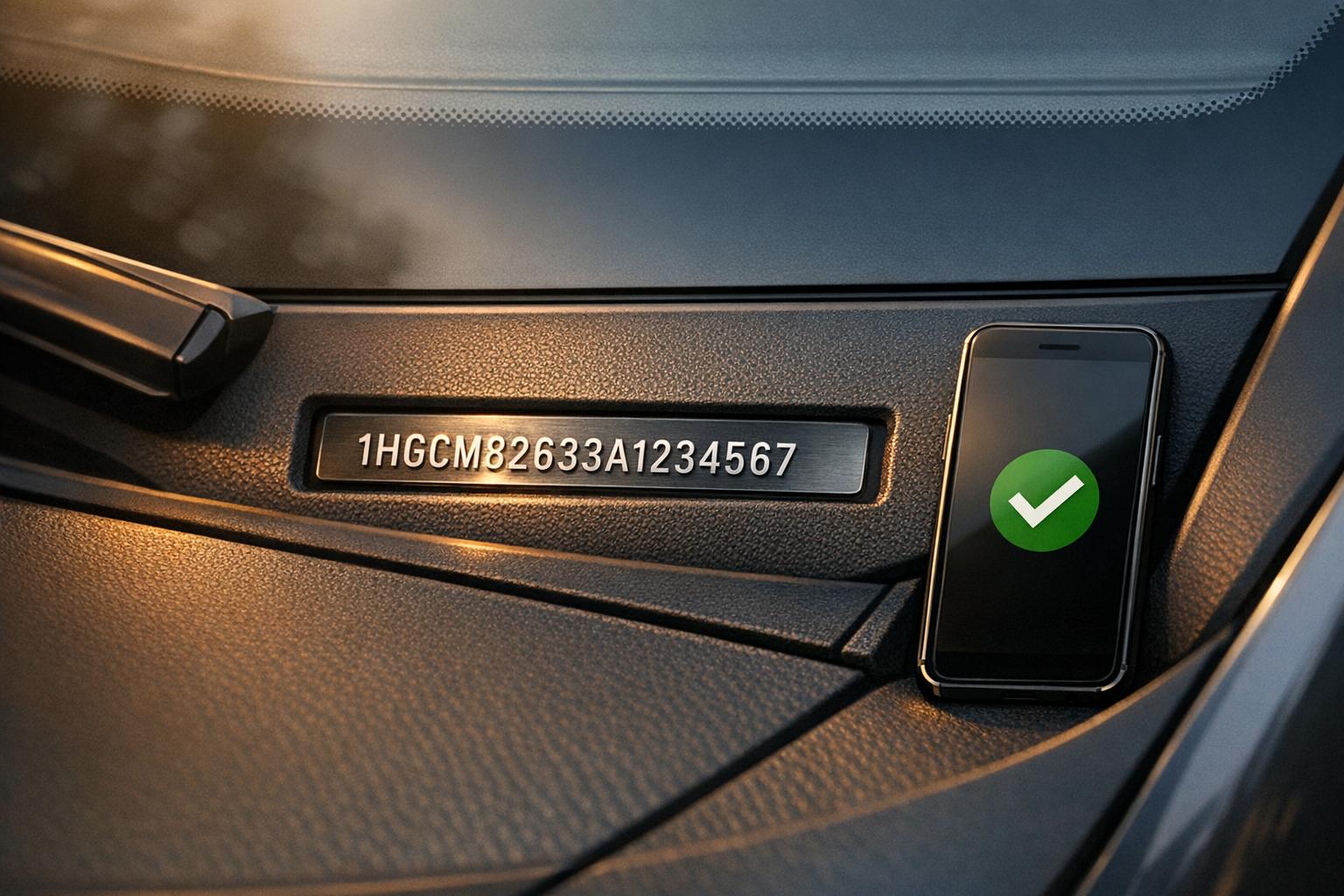
VIN Check
VIN Check Tool
A reliable VIN Check tool is one of the easiest ways to spot problems before you rely on a vehicle identification number. A standard VIN should contain 17 characters, follow strict formatting rules, and exclude invalid letters such as I, O, and Q. This tool helps you clean up the input automatically, confirm the length, and test whether the VIN passes the checksum used for many North American vehicles.
What You Can Decode
Beyond validation, this VIN decoder reads the parts of the number that are commonly understood from public VIN standards. That includes the World Manufacturer Identifier, manufacturer region, model year code when decodable, assembly plant code, and serial number. If a section depends on proprietary manufacturer data, it’s clearly labeled as limited or unavailable.
Why It Matters
Using a vehicle identification number check can save time when reviewing a listing, verifying paperwork, or catching simple entry mistakes. It’s a practical first screen for buyers, sellers, repair shops, and anyone handling vehicle records. Keep in mind that structural validation is not the same as a vehicle history report, so this tool is best used as a fast, accurate starting point.
FAQs
What does this VIN Check tool actually verify?
It verifies the basic structure of a standard 17-character VIN and checks whether it follows common formatting rules. That includes length validation, character validation, automatic normalization, and checksum testing for the 9th character using the standard North American formula. It also decodes the portions of the VIN that can be interpreted from public standards, such as the manufacturer region, possible manufacturer, model year code, plant code, and serial number.
Can this tool tell me if a car has been in an accident or has a clean title?
No. This tool checks VIN structure and basic decoding only. It does not provide title history, theft records, accident history, lien information, recall status, registration data, or ownership reports. For those details, you’d need a separate vehicle history service or official records source.
Why are some VIN details marked as limited or unavailable?
Not every character in a VIN can be fully decoded from public standards alone. Some sections, especially parts of the vehicle descriptor section, may require manufacturer-specific databases to identify trim, engine, body style, or market configuration with confidence. Rather than make a shaky guess, the tool labels those fields clearly so you know which results are reliable and which ones need deeper lookup.